

Go beyond traditional anatomy and physiology by exploring how the body’s systems connect and influence one another. Strengthen your palpation, assessment, and clinical reasoning skills to better understand dysfunction and develop more effective, individualized treatment plans.
$400.00 Original price was: $400.00.$350.00Current price is: $350.00.
Where the connections begin.
You know your anatomy. You understand the fundamentals of physiology. You’ve developed your hands-on skills and gained experience working with clients.
But how do you bring all that knowledge together to better understand what the body is telling you?
A client presents with persistent discomfort. You identify restrictions, assess posture, and apply your techniques. But what happens when the symptoms don’t tell the whole story?
What other anatomical structures might be involved? Could changes in physiological function be contributing? Are compensation patterns influencing the way the body moves and responds?
Welcome to Building the Roadmap of the Body, the foundation of the Roadmap to the Body Series.
This advanced, hands-on workshop with Tony Eng explores how to connect anatomy, physiology, biomechanics, and clinical observations to develop a more comprehensive understanding of the body.
Rather than looking at symptoms or structures in isolation, you’ll learn to examine the relationships between body systems, recognize patterns, and consider how changes in structure and physiological function may contribute to dysfunction.
Through guided exploration, practical assessment, and clinical reasoning exercises, you’ll develop the skills to build a clearer picture of your client’s presentation and create more thoughtful, individualized treatment plans.
Because effective clinical reasoning begins with understanding how the pieces fit together.
Every client has a story, and their body may reveal information that goes beyond the symptoms they describe.
Posture, movement, compensation patterns, tissue restrictions, medical history, and physiological function can all provide valuable pieces of information.
But how do we bring these observations together?
This workshop introduces a systematic approach to gathering, interpreting, and connecting clinical information.
You’ll explore how anatomical structures and physiological systems interact, how the body adapts to physical demands or dysfunction, and how these relationships can influence your clinical reasoning.
The goal isn’t simply to identify where discomfort occurs. It’s to develop a deeper understanding of the factors that may be contributing to a client’s presentation.
Develop more effective interviewing and communication skills to better understand your client’s history, concerns, and experiences.
Explore the importance of active listening, asking meaningful questions, and recognizing information that may be relevant to assessment and treatment planning.
Learn to organize anatomical, physiological, and clinical information into a more complete picture of the body.
Explore how different structures and systems connect, and begin developing a systematic approach to identifying relationships that may be relevant to a client’s presentation.
Go beyond identifying anatomical structures to explore how they function and interact.
Examine the relationships between anatomy, normal physiological processes, and the changes that may occur with injury, disease, or dysfunction.
Develop a broader understanding of how changes within one system may influence other areas of the body.
Explore posture from both structural and functional perspectives.
Learn to observe alignment, movement tendencies, and postural adaptations while considering the anatomical and biomechanical factors that may influence them.
Why does the body develop compensations, and what can these patterns tell us?
Explore how the body adapts to physical demands, discomfort, restrictions, and changes in movement or function.
Develop greater awareness of compensation and holding patterns and their potential relationships with anatomy, biomechanics, and physiological responses.
Strengthen your assessment skills through an introduction to specific testing and evaluation methods relevant to clinical bodywork.
Learn to gather and interpret information from observation, movement, palpation, and appropriate assessment techniques to support your clinical reasoning.
Learn to bring together client history, assessment findings, anatomical knowledge, and physiological understanding to develop individualized treatment approaches.
Explore how clinical reasoning can help guide treatment priorities, technique selection, and ongoing reassessment within your professional scope of practice.
Every observation provides another piece of the puzzle.
Learn to connect the information gathered through interviewing, posture, palpation, movement, and assessment to develop a clearer understanding of the client’s overall presentation.
Rather than focusing on isolated findings, explore how to organize these observations into a meaningful clinical picture.
Clinical knowledge is essential, but so is the ability to be present, attentive, and responsive during treatment.
Explore grounding, body awareness, and therapeutic presence to strengthen your listening skills and develop a more focused, thoughtful approach to hands-on work.
Building the Roadmap of the Body is designed for experienced massage therapists and bodywork practitioners who want to strengthen their clinical reasoning and develop a deeper understanding of the relationships between anatomy, physiology, and body function.
This workshop is particularly valuable for therapists who:
If you’re the kind of therapist who loves connecting the dots, this is where your roadmap begins.
This workshop introduces the clinical reasoning and assessment approach that forms the foundation of the Roadmap to the Body Series.
The concepts explored here can be applied throughout the additional workshops, where you’ll investigate specific anatomical and physiological systems, including the diaphragms, vascular pathways, peripheral nervous system, vagus nerve, and digestive system.
Each workshop offers another opportunity to deepen your knowledge and expand your understanding of how the body functions as an interconnected whole.
Instructor: Tony Eng
Dates: January 19 & 26, 2027
Time: 9:00 AM – 5:30 PM
Format: In-person, hands-on training
Location: École Setsuko, NDG
Prerequisites: Minimum 400 hours of foundational training in massage therapy or bodywork.
Go beyond individual techniques and develop a deeper understanding of how anatomy, physiology, biomechanics, and clinical reasoning come together.
Explore the anatomy. Understand the physiology. Connect the systems.
Your Roadmap to the Body starts here.
In-Person: January 19 & 26, 2027 from 9am to 5:30pm
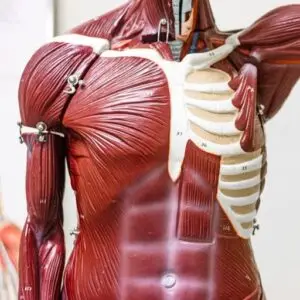
The Advanced Anatomy course for massage therapists is designed to provide an in-depth understanding of…
$600.00 Join waitlist
Our Traditional Chinese Medicine Massage and Shiatsu Diploma is a comprehensive 1000+ hour program that…

Explore the physiological pathways and connections associated with stress, anxiety and trauma. Deepen your understanding…

Explore the anatomy, physiology, and interconnected pathways of the vagus nerve, deepening your understanding of…
L’École Setsuko est un établissement privé. La plupart de nos cours sont enseignés en anglais. Les notes, documents et examens peuvent être fournis en français sur demande, et nos enseignants bilingues peuvent offrir du soutien au besoin.