The Winter Solstice is beckoning and even though our herbs are buried deep below the snow, they can still help us stay well during this festive season, acting as preventative medicine and additional nourishment for our intertwined body systems. Here are some of my favourite tonifying and supportive herbs that I’ve been including in my diet as part of my quest to stay healthy. May they bring renewed vitality, optimal health and a joyous spirit to you and your loved ones as we spiral towards the light during the winter months ahead.
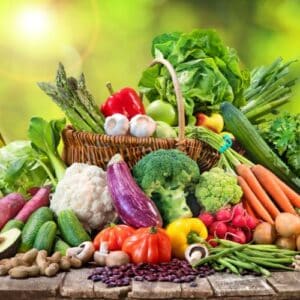
Feed your microbiome! We’re still studying how the addition of probiotics (fermented food) and prebiotic (high-fiber food) enhance our overall health, but from what I’ve read so far, these are key players to improving not only our physical health but our brain health as well. Try to eat a couple tablespoons of fermented foods and 10 servings of vegetables on a daily basis… and at least 60 different items/week counting herbs and spices. Remember that the more diversity in your diet (including probiotics), the more “friendly bacteria” diversity as well!
Eat more Garlic (Allium sativa)! You probably already know that garlic is widely used as an antiseptic, antimicrobial, antifungal, prebiotic herb that supports our immune system. It’s effective against colds, ear infections, lung and sinus infections and antibiotic- resistant pneumonia. It kills disease-causing bacteria, prevents secondary bacterial infections and increases our resistance to influenza viruses. Garlic also helps improve our digestion which is another key to enhancing overall health. Double the amounts of garlic called for in a recipe! Enjoy fresh or powdered garlic liberally in salad dressing, soup, dips (hummus and baba ganouj), sauces, egg dishes, veggies or toast.
Astragalus (Astragalus membranaceus) roots are a wonderful immune boosting herb that can prevent upper respiratory infection and improve heart function. Due to its stimulation of interferon production and release, the only time to avoid taking astragalus is when you have a fever. Simmer a handful of astragalus root in two cups of water. Let them boil for 30-60 minutes or until the roots get soft and limp. Then strain this slightly sweet, healthful decoction, keeping the roots so you can repeat the entire process again (it’ll be slightly weaker but still very nourishing). This revitalizing immune tonic is now ready to be used as the liquid in your porridge, rice and/or soup, or to replace the water in your water bottle. See Astragalus-Chai recipe below!
Medicinal Mushrooms nourish and strengthen the immune system making them another excellent preventative tonic. Reishi, Maitake, Shitake, Lions Mane and Cordyceps are potent adaptogens that enhance immune function in a variety of ways…reducing inflammation, balancing antibody levels and enhancing internal organ function. Add a handful of dried mushrooms to soups, stews and beans or reconstitute in boiling water and add to stir-fries and sauces.
Seaweed is a nutritional powerhouse offering us a wide range of nutrients including vitamins A, B, C, D, E, K; minerals, amino acids, trace elements, and alginic acid which protects our bodies from environmental pollutants and revitalizes our cardiovascular, endocrine, digestive and nervous systems. Add a handful of dried kombu, wakame, arame or seaweed of choice to soups, broths or a crock-pot of beans. Leave a bowl of kelp on the counter and munch the dried kelp “chips” regularly or powder seaweed with dried basil, garlic and nettles, and sprinkle on your food instead of salt.
Stinging Nettle (Urtica dioica) is another nourishing tonic, right up there with kale, collards and moringa. This amazing weed supports the respiratory, cardiovascular, digestive, musculoskeletal, endocrine, urinary and immune systems, helping us deal with the many stressors of these busy, fast-paced days. Make an infusion by pouring just boiled water over the dried leaf (28 grams herb/ 1.5 liters water) and let it steep for at least 4 hours…. overnight is ideal. Sip your infusion, hot or cold, or make a quick soup by adding a spoon of miso (another great probiotic choice) at least 3-4 times per week. Or freeze fresh nettle in the spring and early summer, before flowering, and substitute in any recipe that calls for frozen spinach or kale… delicious in soup or quiche.
Lemon Balm (Melissa officinale) leaves are a pleasant lemony-tasting member of the mint family that benefits our digestive and nervous systems. Infuse a large handful of dried lemon balm in a mason jar in boiling water overnight and drink, hot or cold, throughout the next day to help manage stress and bring a brighter outlook.
St. Johnswort (Hypericum perforatum) is both a nervine and an anti-viral herb. A tincture made from St. Johnswort flowering aerial parts can be effective preventative medicine against influenza A & B, herpes simplex, Epstein Barr virus, and Hepatitis B. SJW nourishes our nervous systems and is outstanding as a dependable remedy for SAD (Seasonal Affective Disorder), especially when blended with Lemon Balm Tincture or dropped into your Lemon Balm Infusion. Take 20-40 drops tinctured St. Johnswort, two to three times per day.
Pick one of the suggested herbs listed above and add it to your routine this week. Once it feels right, try adding a second herb to your lifestyle and then perhaps a third. In the blink of a moment the snow will be melting and we’ll be taking a deep breath of spring. Until then, enjoy the winter by walking on the sunny side of the street, getting out in our winter wonderland to skate, cross-country ski or snowshoe, dressing warmly and eating lots of hearty soups and stews, with an abundant helping of herbal delight in every bowl.